
Contact Us
Concrete Driveway Repair in Chapel Hill, NC
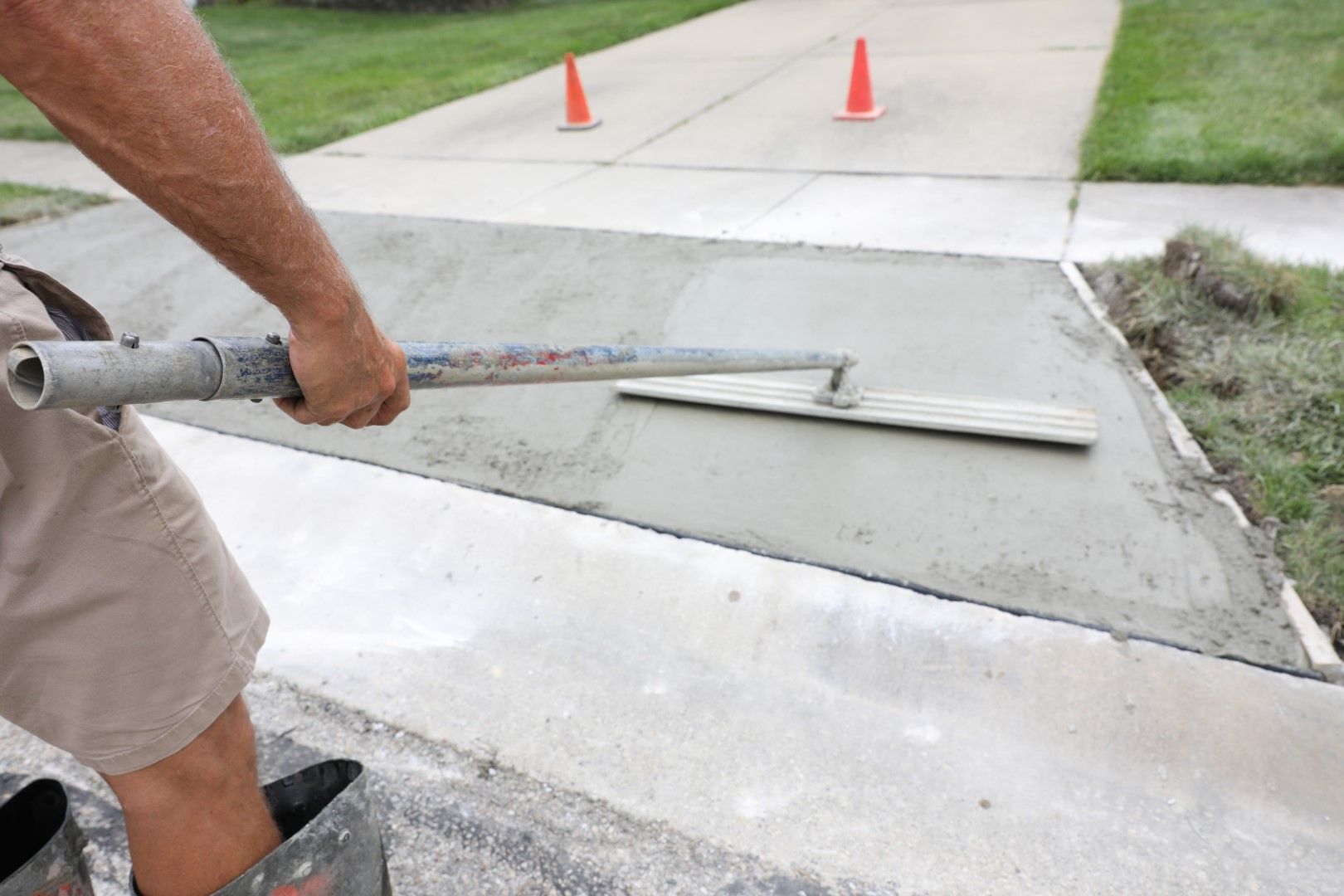
Driveways don’t fail overnight—cracks, settling, and surface wear develop over time. Our concrete driveway repair services in Chapel Hill, NC focus on correcting those issues before they turn into full replacements. We evaluate the condition of your driveway and recommend practical solutions that restore both function and appearance.
Repair Services:
• Crack sealing and stabilization
• Surface refinishing
• Leveling uneven sections
• Joint repair
• Partial slab replacement
When Repair Makes Sense:
If the base is still intact, repairs can significantly extend the life of your driveway without the cost of starting over. For a more decorative finish, we also offer stamped concrete installation in Chapel Hill, NC.
Why Choose Repair First:
We don’t push replacement unless it’s necessary. Our goal is to give you the most effective and cost-efficient option. For a more subdued finish, we also offer. For a more upscale finish, we also offer Concrete Patio and deck installation in Chapel Hill, NC
Sunken or Uneven Spots
Sunken or uneven areas in your driveway indicate that the underlying support may be compromised. This not only affects the aesthetics but can also create hazards for vehicles and pedestrians. We recommend addressing these issues early to ensure safety and longevity.
Water Pooling on Surface
If you notice water pooling on your driveway after rain, it's a sign of poor drainage or surface damage. We can assess the situation and implement necessary repairs to prevent water damage and ensure your driveway functions efficiently.
Initial Consultation
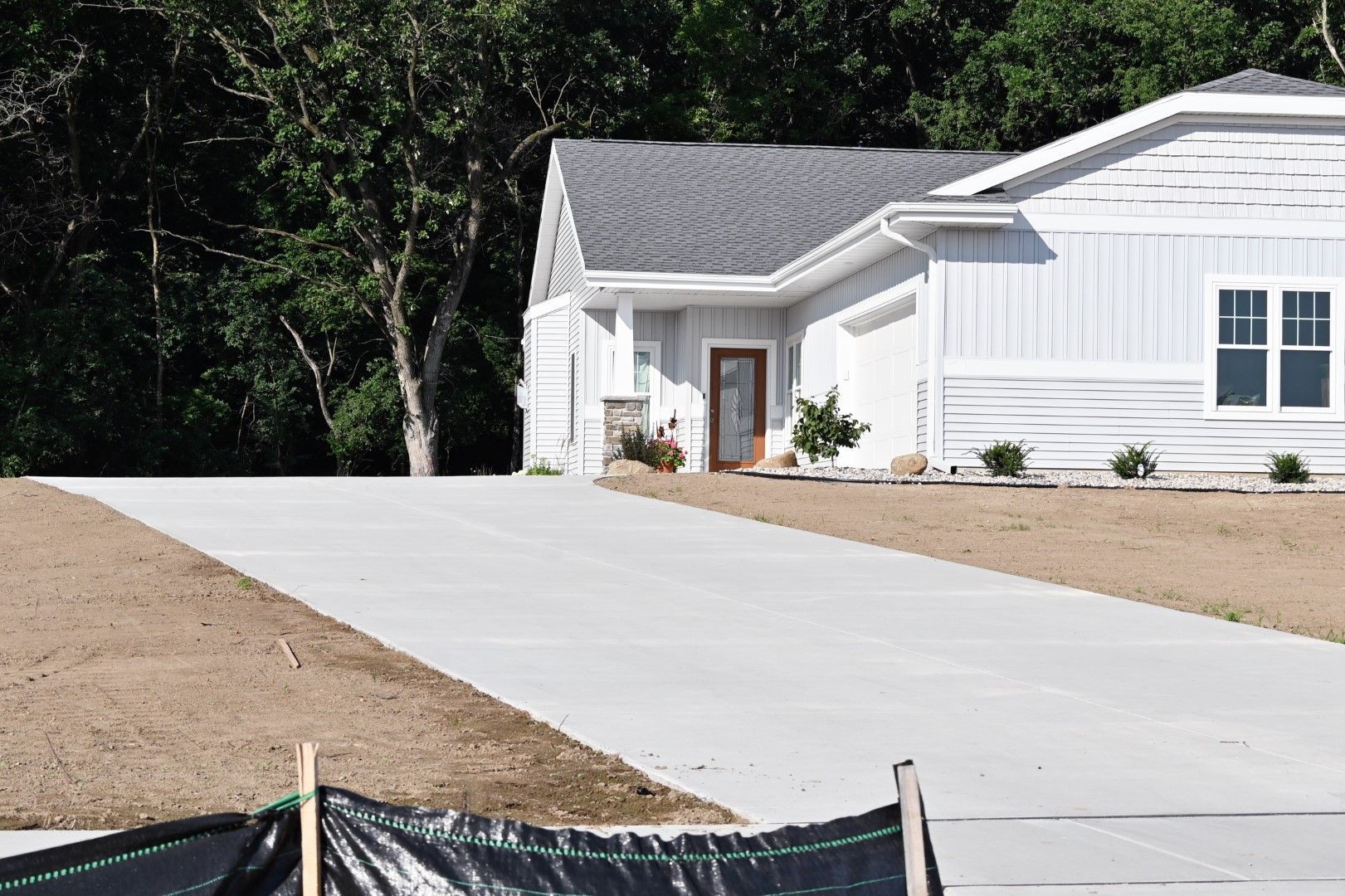
We start with an initial consultation to discuss your driveway needs and preferences. Understanding your vision is crucial to our process, allowing us to recommend the best materials and designs that fit your style and budget.
FAQ:
Will cracks come back?
Proper repair reduces the chance, but natural movement can still occur.
Is repair cheaper than replacement?
In most cases, yes—especially for surface-level issues.